Advanced Materials for high-performance applications
Mastrex metal 3D printers support a broad range of engineering metals so you can match the right material to your application. Explore compatibility, properties, and applications for each material below.
Explore properties, applications, and system compatibility for each engineering metal Mastrex supports.
Titanium
Titanium
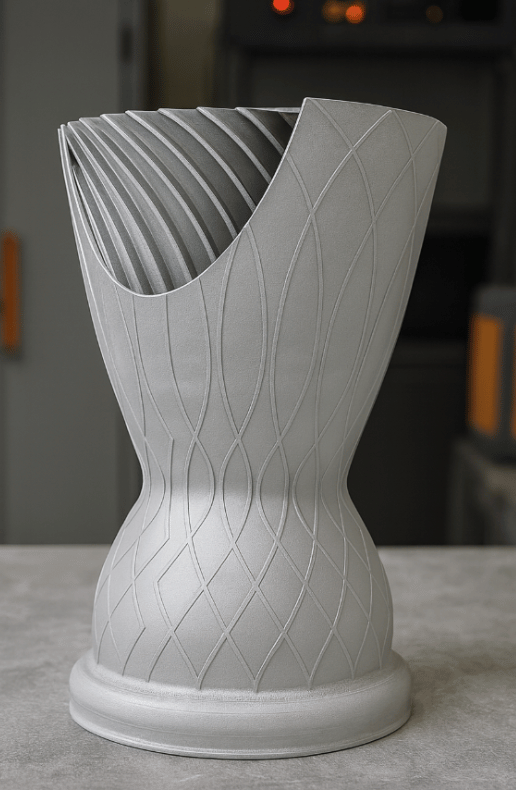
A high-performance engineering metal valued for its strength-to-weight ratio, corrosion resistance, and biocompatibility. Common in aerospace components and medical implants where strength and precision are critical.
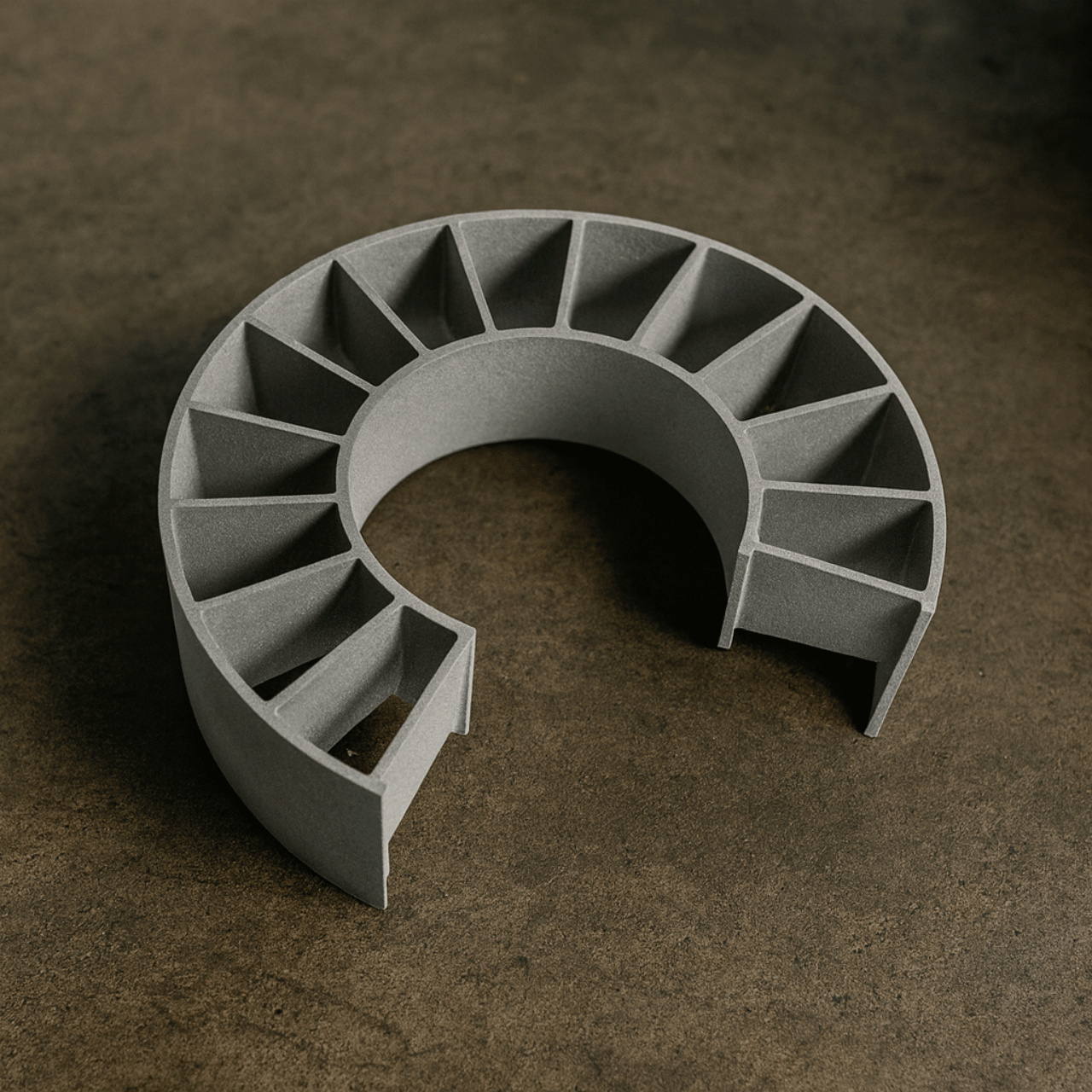
A durable, corrosion-resistant engineering metal known for its mechanical strength and broad manufacturing compatibility. Common in tooling, industrial components, and general-purpose parts where reliability matters most.
A lightweight, cost-efficient metal valued for its strength-to-weight ratio and thermal performance. Common in automotive, aerospace, and consumer product components where reducing weight is a priority.
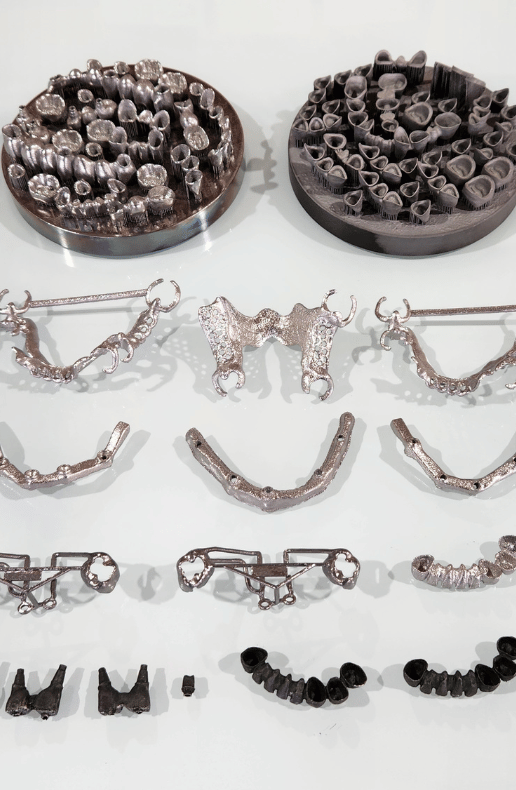
A wear-resistant, biocompatible metal that retains strength even at high temperatures and under repeated stress. Common in medical and dental implants and high-wear industrial components requiring precision.
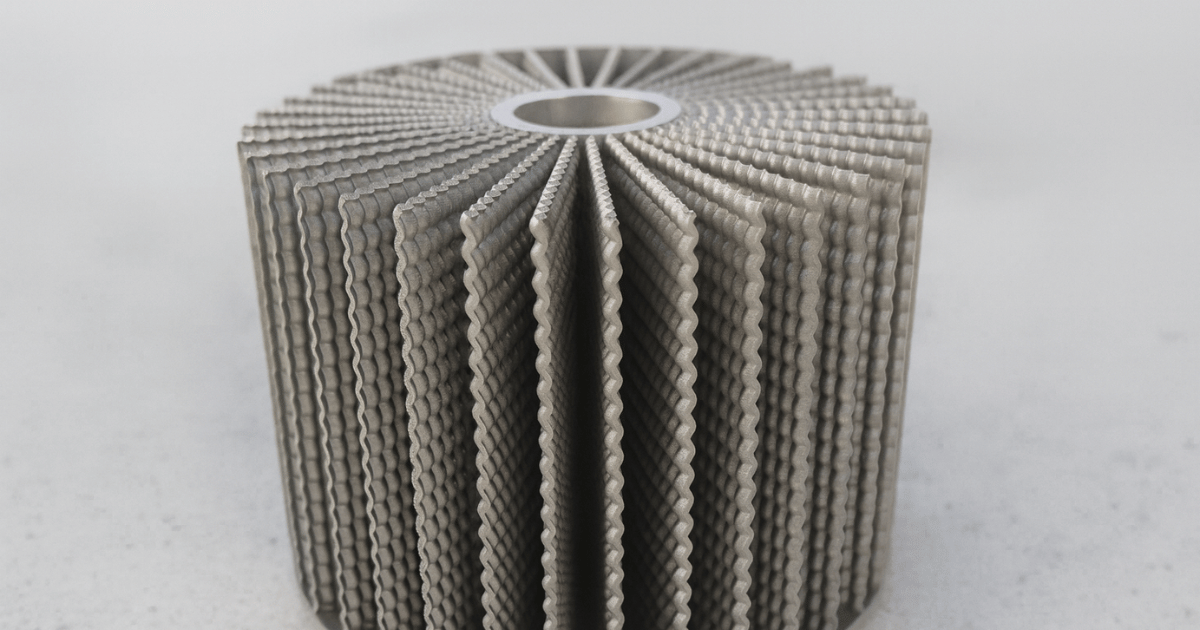
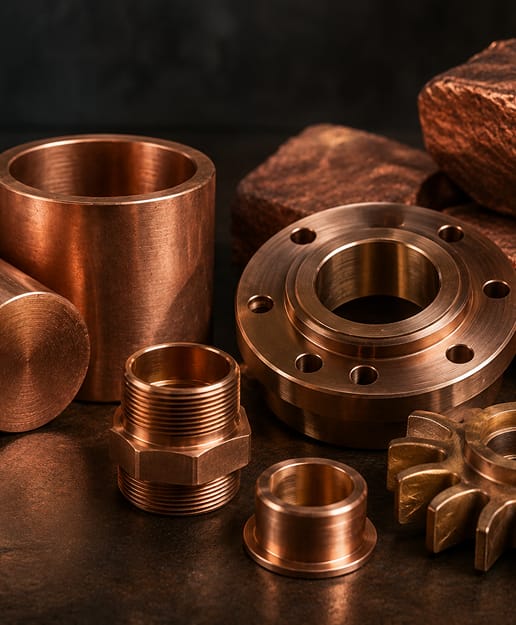
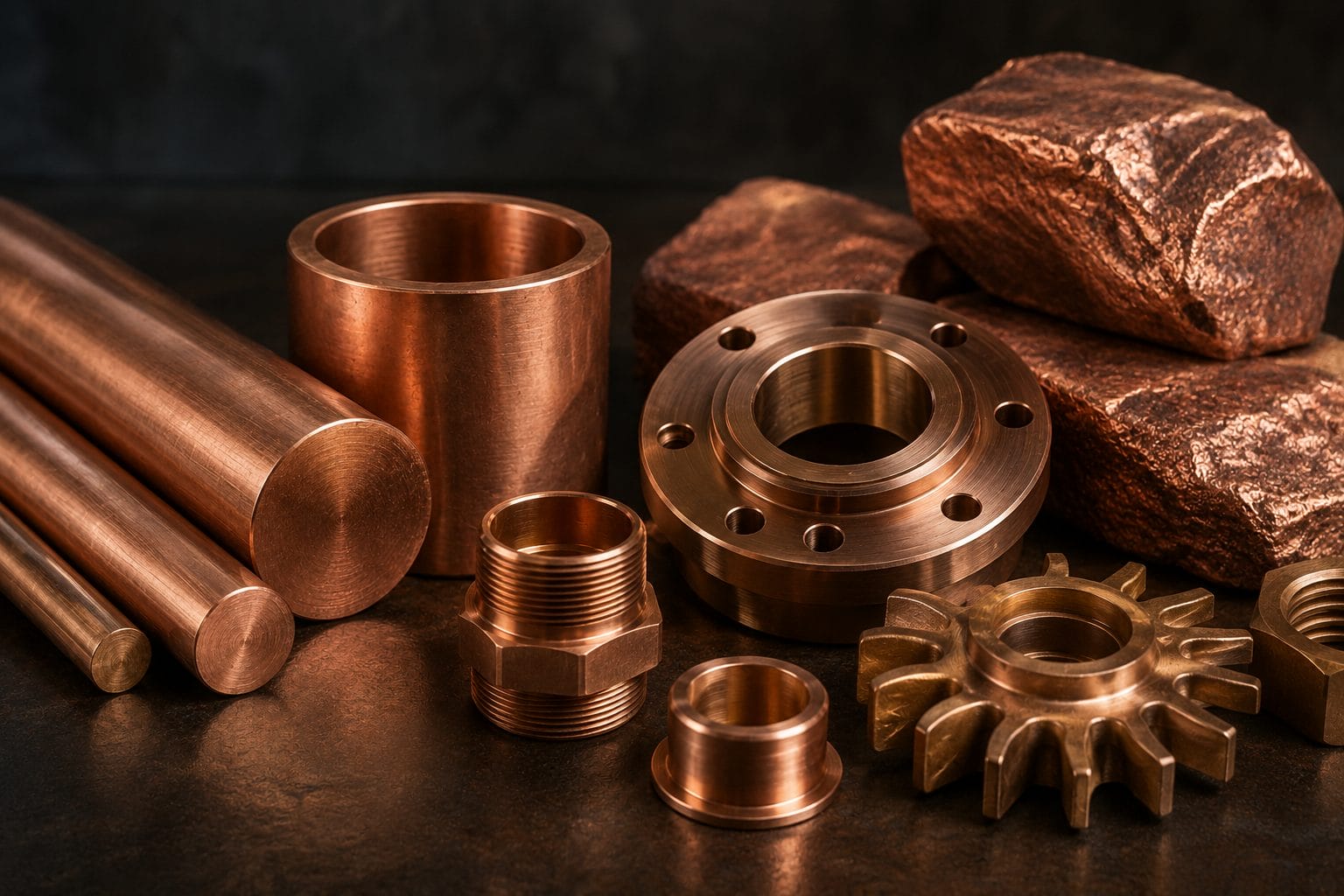
A highly conductive engineering metal valued for its thermal and electrical performance in demanding environments. Common in heat exchangers, electrical components, and thermal management parts across industrial applications.
A durable, corrosion-resistant engineering metal known for its mechanical strength and broad manufacturing compatibility. Common in tooling, industrial components, and general-purpose parts where reliability matters most.
Common questions answered before you contact Mastrex.
Which material should I choose for my application?
The right material depends on your part’s requirements — strength, weight, biocompatibility, thermal performance, and operating environment all play a role. As a starting point: titanium and aluminum suit weight-sensitive applications, stainless steel and cobalt chrome suit high-wear or biocompatible needs, and copper alloys suit thermal and electrical applications. Our team can help match a material to your specific part.
Can I switch materials on the same system?
Yes. MX systems support multiple compatible materials, though switching between materials typically requires a changeover and calibration process to ensure print quality and avoid cross-contamination.
Do you support custom or specialty alloys?
We’re expanding material compatibility over time. If your application requires a specialty or custom alloy not currently listed, contact our team to discuss qualification for your specific use case.
How do I know if a material is compatible with my system?
Each MX system lists its supported materials on the corresponding product page. Our team can confirm compatibility for your specific system and application before you place an order.
What’s the difference between titanium and cobalt chrome for medical applications?
Both are biocompatible, but they serve different needs. Titanium offers a superior strength-to-weight ratio, making it common in implants where reducing mass matters. Cobalt chrome offers greater wear resistance, making it better suited to components under repeated mechanical stress, such as dental restorations.
Can you help me choose between materials for a new application?
Yes. Share your part’s requirements — including load conditions, environment, and any regulatory considerations — and our engineering team will help you identify the best-fit material and system combination.
Do material choices affect lead time or cost?
Yes, material availability and post-processing requirements can affect both. Some materials require additional handling or finishing steps. Contact our team for guidance specific to the material and part you’re planning.
Still Have Questions?
Tell us about your application or requirements, and the Mastrex team will point you in the right direction.