INDUSTRIES
Where Mastrex Systems Deliver the Most Value
aerospace

High-Performance Manufacturing

For teams pushing performance limits — Aerospace manufacturers rely on Mastrex metal 3D printers to produce complex, lightweight components where dimensional accuracy and repeatability are non-negotiable.
defense

Mission-Ready, Zero Compromise

For mission-critical parts that can’t fail — Defense manufacturers turn to Mastrex metal 3D printers for mission-critical components that must meet strict specifications with zero margin for error.
Medical & Dental

Precision You Can Trust

For precision-critical, regulated production — Medical and dental applications require fine detail, biocompatible materials, and repeatable part quality
Tooling & Fixtures

Faster Tooling, Less Downtime

For faster turnaround on custom tooling — Custom tooling, fixtures, and assembly aids can be produced faster with metal 3D printing than with traditional methods.
Research & Development

Iterate Without Limits

For teams iterating faster on new applications — R&D and advanced manufacturing teams use Mastrex systems to accelerate design iteration, validate new processes, and explore materials for next-generation applications.
Academia

Hands-On Learning, Industrial Grade

For hands-on learning with industrial-grade tools — Universities and research institutions use Mastrex metal 3D printers to give students and researchers hands-on experience with real industrial metal additive manufacturing.
Energy

Built to Perform Under Pressure

For components built to perform under extreme conditions — Energy manufacturers use Mastrex metal 3D printers to produce components that hold up under high heat, pressure, and continuous operation.
Questions

Not Sure Which System Fits Your Industry?

Tell us about your industry, application, and production goals. Our team will help you identify the right Mastrex system and material.

INDUSTRIES

Aerospace

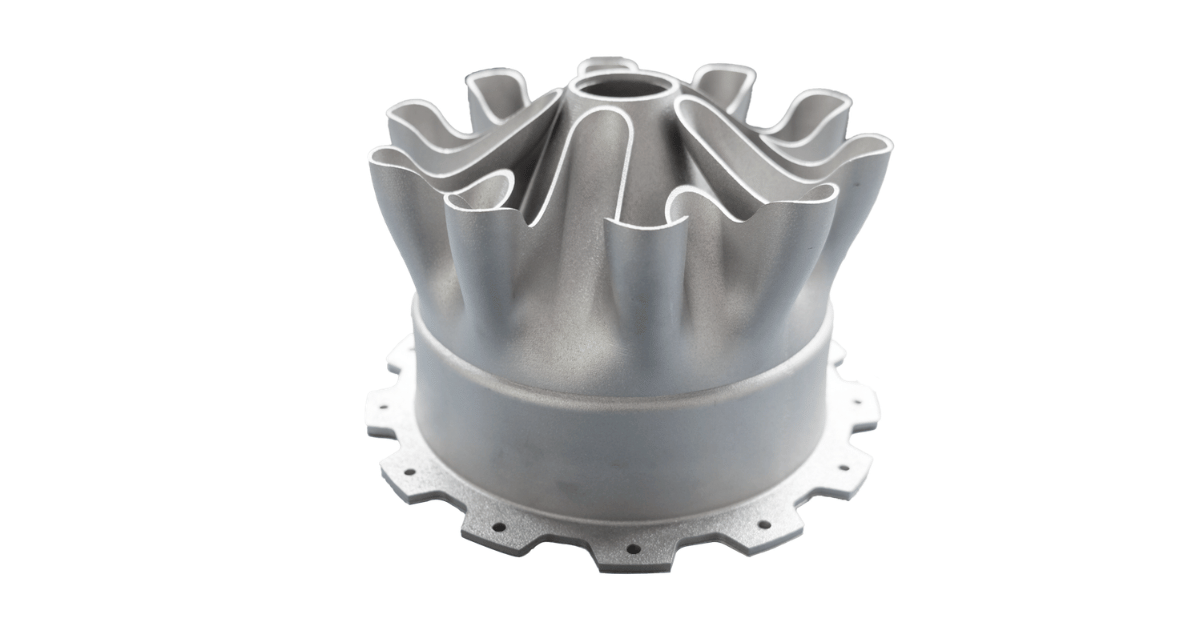
Aerospace manufacturers rely on Mastrex metal 3D printers to produce complex, lightweight components where dimensional accuracy and repeatability are non-negotiable. From structural brackets to housings, MX systems help teams reduce weight without compromising strength.
  • Why Metal 3D Printing
    Reduces part weight and consolidates assemblies while meeting the tight tolerances aerospace applications demand.
  • Recommended Systems
    MX150, MX300 — mid-size and production-ready configurations suited to aerospace part volumes.
  • Recommended Materials
    Titanium, Aluminum — high strength-to-weight ratio materials common in flight-critical components.
3D printed metal rocket engine nozzle in a studio
INDUSTRIES

Defense

Defense applications demand parts that perform under extreme conditions and meet exacting military specifications. Mastrex metal 3D printers give defense manufacturers and contractors a reliable way to produce mission-critical components in-house, with the accuracy and repeatability compliance and performance standards require.
  • Why Metal 3D Printing
    Delivers the tight tolerances and repeatability defense specifications demand, while shortening the path from design to mission-ready part.
  • Recommended Systems
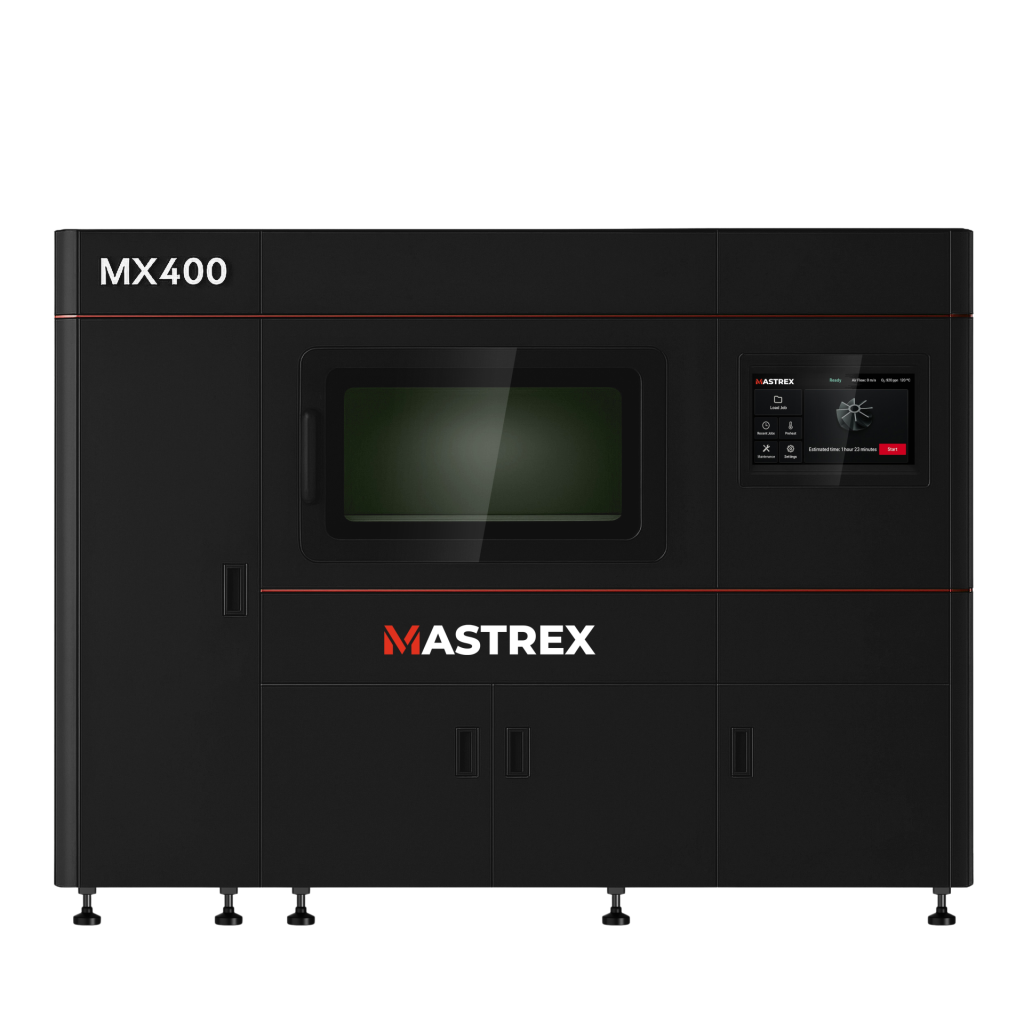
    MX300, MX400 — production-ready and large-format systems built for the volume and consistency defense programs require.
  • Recommended Materials
    Titanium, Stainless Steel — durable, high-strength materials suited to demanding operational environments.
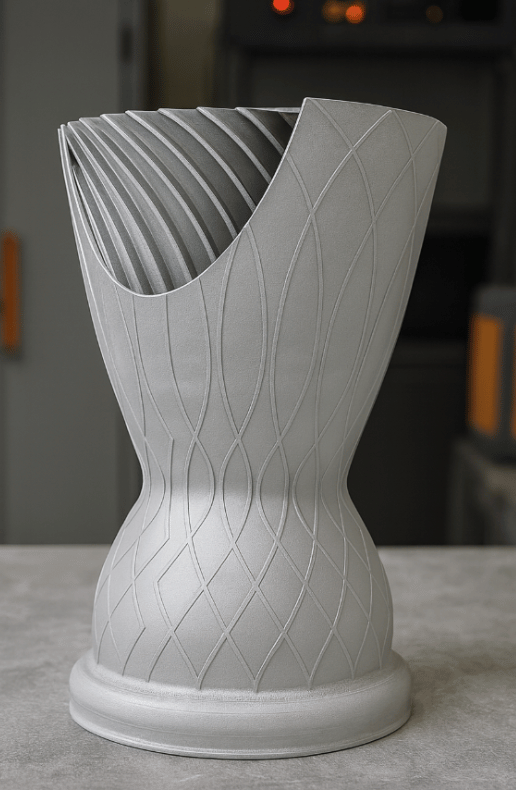
3D printed metal lattice housing
INDUSTRIES

Medical & Dental

Medical and dental manufacturers need parts that meet strict biocompatibility and precision standards without exception. Mastrex metal 3D printers give medical device makers and dental labs a dependable way to produce implants, prosthetics, and surgical components with the fine detail and repeatability regulated environments require.
  • Why Metal 3D Printing
    Delivers the surface finish and biocompatibility required for regulated medical and dental applications.
  • Recommended Systems
    MX100, MX150 — compact and mid-size systems suited to detailed, lower-volume medical parts.
  • Recommended Materials
    Titanium, Cobalt Chrome — biocompatible materials suited to implants and prosthetics.
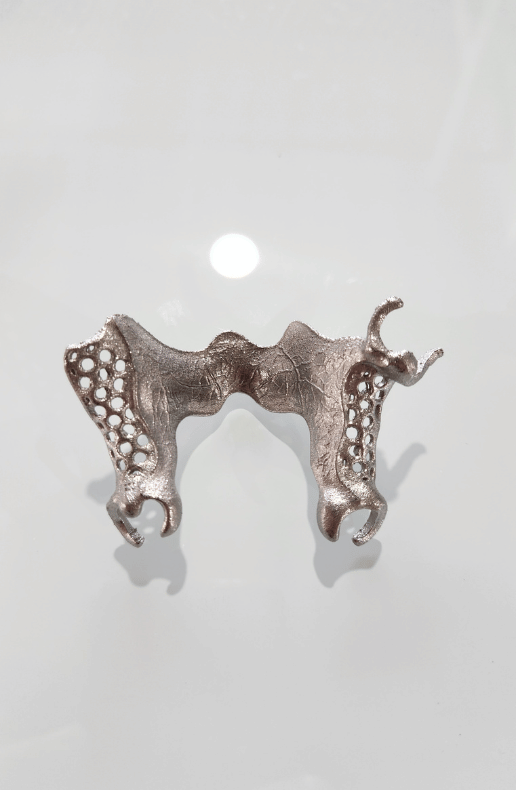
3D printed metal dental framework
INDUSTRIES

Tooling & Fixtures

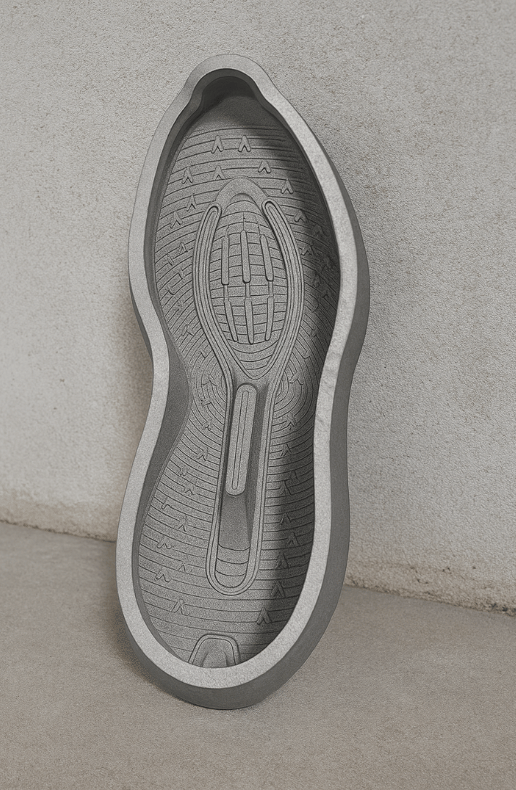
Manufacturers use Mastrex metal 3D printers to produce custom tooling, fixtures, and assembly aids faster than traditional machining allows. Rather than waiting weeks for outsourced tooling, teams can iterate and produce what they need in-house, reducing lead times and keeping production lines moving.
  • Why Metal 3D Printing
    Speeds up production of custom tooling and fixtures compared to traditional manufacturing methods.
  • Recommended Systems
    MX300, MX400 — production-ready and large-format systems suited to tooling and fixture volumes.
  • Recommended Materials
    Stainless Steel, Copper Alloys — durable, cost-effective materials for industrial tooling.
3D printed metal mold for a shoe sole
INDUSTRIES

RESEARCH & DEVELOPMENT

R&D and advanced manufacturing teams use Mastrex metal 3D printers to move faster from concept to validated part. Whether testing new geometries, qualifying a material for a future application, or refining a process ahead of production, MX systems give engineering teams the flexibility to iterate without the lead times of outsourced manufacturing.
  • Why Metal 3D Printing
    Supports rapid iteration and material testing for teams developing next-generation applications.
  • Recommended Systems
    MX100 — a desktop-sized system built for research, prototyping, and hands-on development work.
  • Recommended Materials
    All supported materials — R&D environments benefit from the full range of Mastrex material compatibility.
9
INDUSTRIES

Academia

Universities, technical colleges, and research institutions use Mastrex metal 3D printers to bring industrial-grade metal additive manufacturing into the classroom and the lab. Desktop-sized systems make it practical to teach real LPBF workflows, support graduate research, and give students hands-on experience with a technology they’ll encounter throughout their careers.
  • Why Metal 3D Printing
    Introduces students and researchers to industrial metal 3D printing without the footprint or cost of a full production system.
  • Recommended Systems
    MX100 — an accessible, desktop-sized system suited to classroom and lab environments.
  • Recommended Materials
    Stainless Steel, Titanium — widely available, cost-effective materials for coursework, with titanium available for advanced research applications.
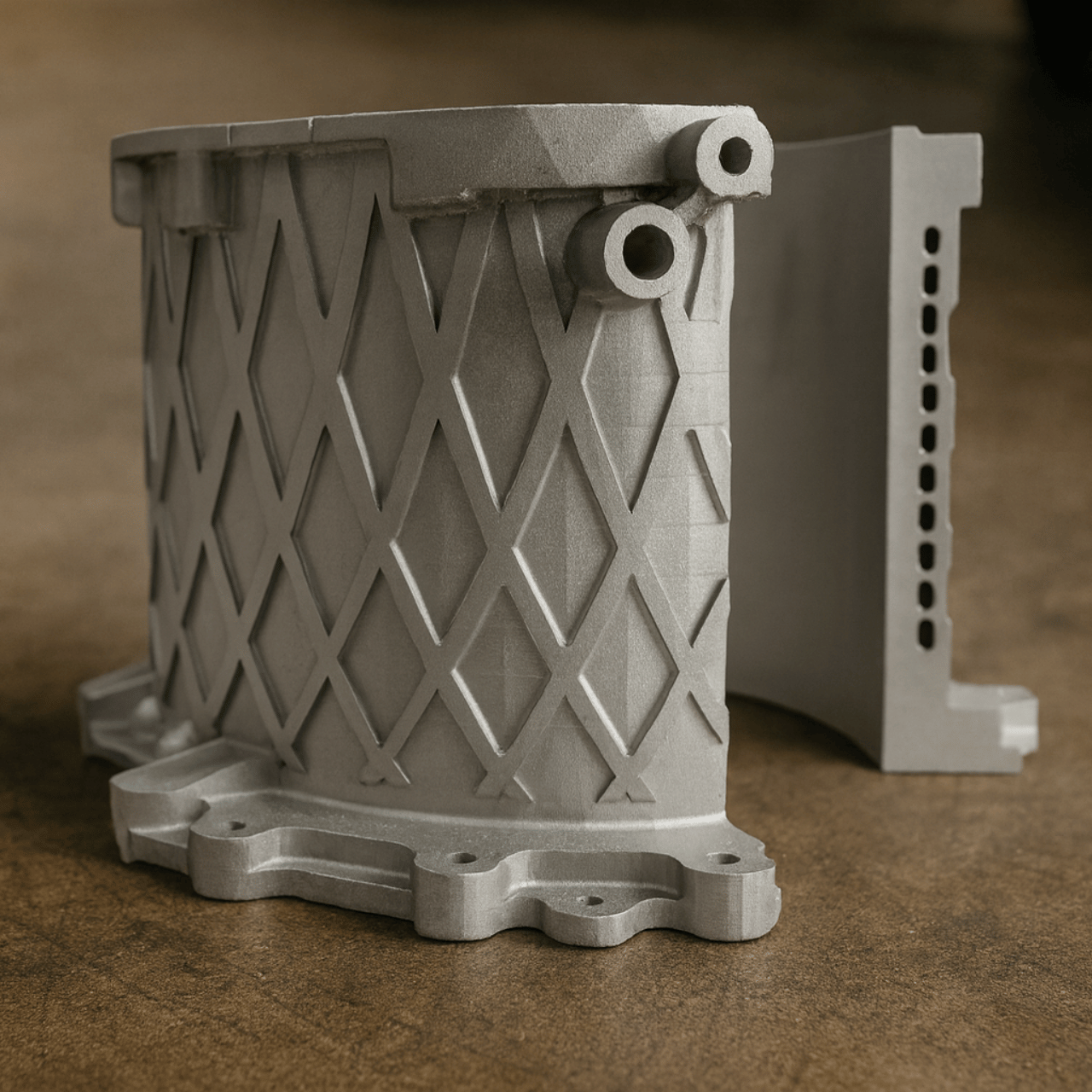
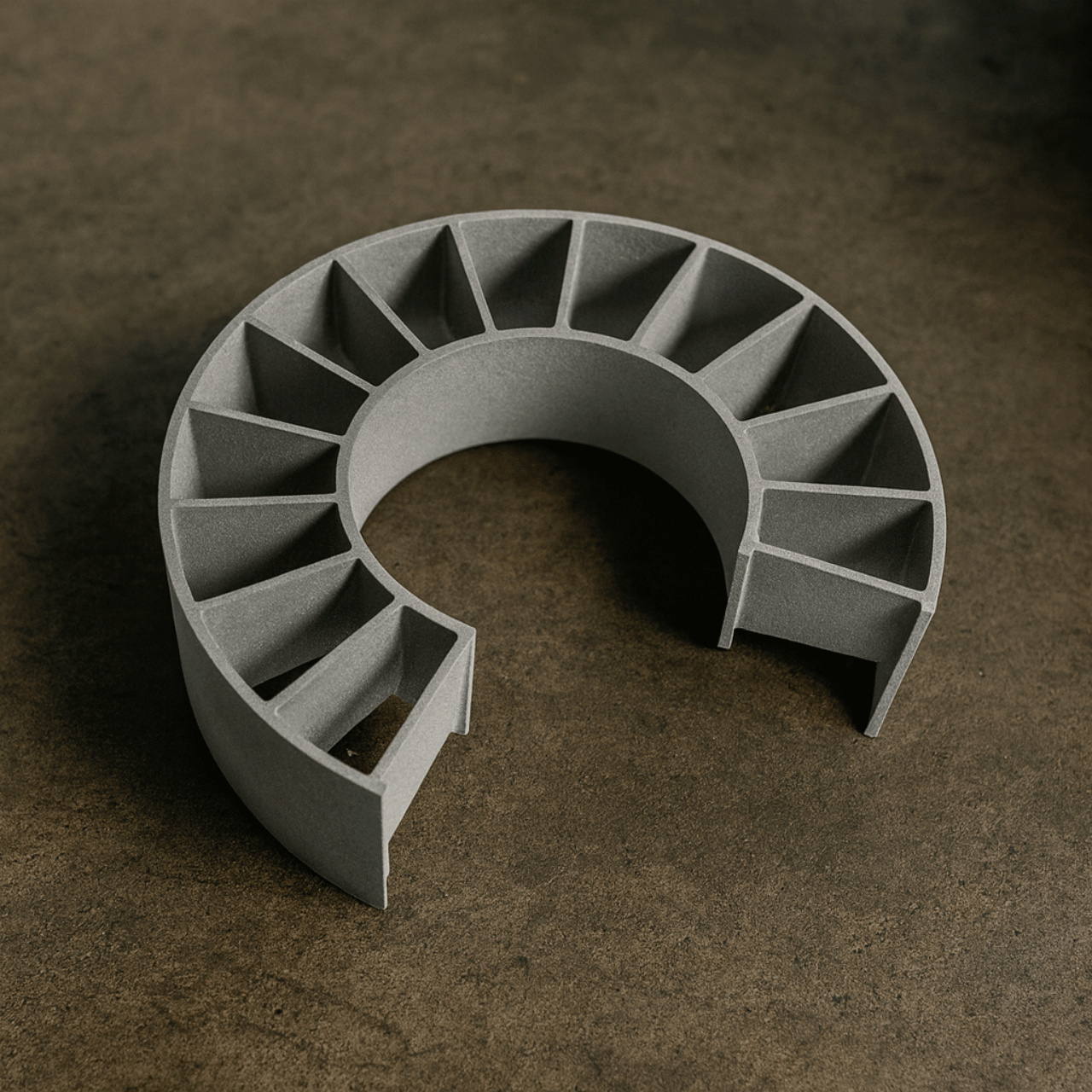
3D printed metal turbine vane segment
INDUSTRIES

Energy

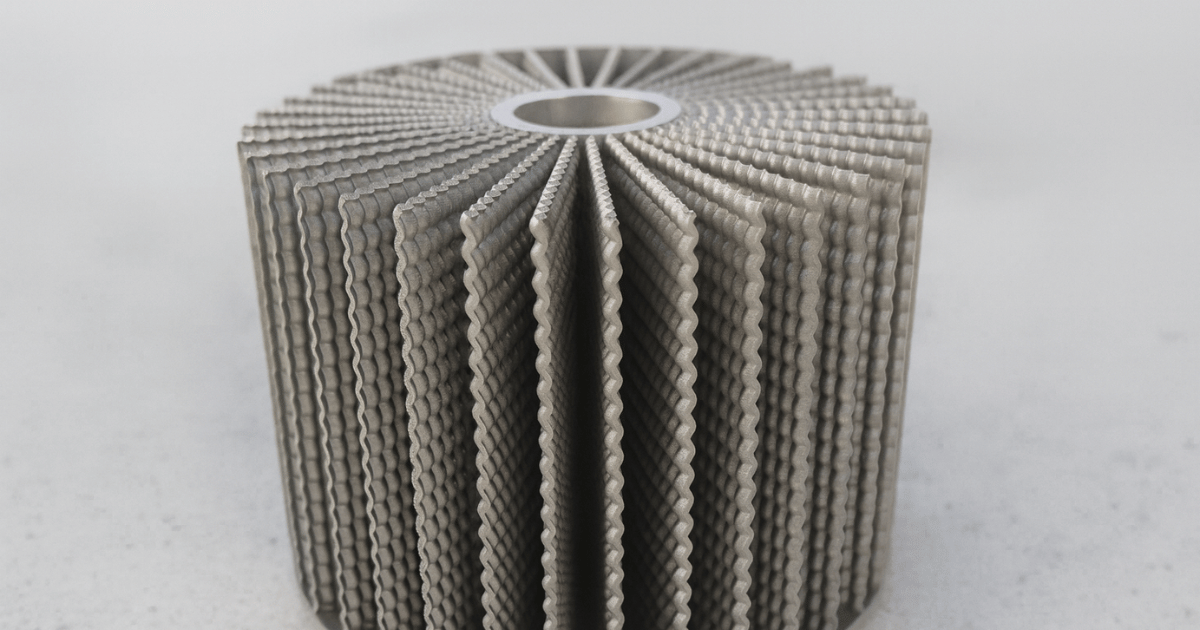
Energy applications, from power generation to oil and gas, demand components that perform reliably under high heat, pressure, and continuous operation. Mastrex metal 3D printers give energy manufacturers a way to produce complex parts like heat exchangers, turbine components, and flow-critical parts with the material performance and precision these environments require.
  • Why Metal 3D Printing
    Enables complex, high-performance geometries — like internal cooling channels — that are difficult or impossible to produce with traditional manufacturing.
  • Recommended Systems
    MX300, MX400 — production-ready and large-format systems suited to the scale of energy-sector components.
  • Recommended Materials
    Copper Alloys, Stainless Steel — high thermal conductivity and corrosion resistance for demanding energy applications.
8
Every Industry, Same Standard

Mastrex Support, Whatever You Build

Regardless of industry or application, every Mastrex system comes with the same onboarding, training, and domestic support.

Seamless Onboarding

Hands-on support during installation and setup so your team gets up and running with confidence.

Proactive Engagement

Our team helps monitor and optimize your process to keep results consistent over time.

Comprehensive Training

Resources and sessions built to help your team get the most out of every Mastrex system.

Reliable Support

Domestic, responsive support that keeps your production moving with minimal downtime.

Frequently Asked Questions

Common questions answered before you contact Mastrex.

How do I know which industry category fits my application?

Look at the primary demands of your part — weight reduction and flight-critical tolerances point to Aerospace, mission specifications point to Defense, biocompatibility points to Medical & Dental, and so on. If your application spans more than one category (for example, a defense-adjacent aerospace component), our team can help you identify the right system and material combination regardless of category.

Can one Mastrex system serve multiple industries?

Yes. Systems like the MX300 and MX400 are built for production-scale work across several industries, including aerospace, defense, tooling, and energy. The recommendations on each industry page reflect common fit, not a strict limitation — many customers use the same system across multiple applications.

Do regulated industries like Medical, Dental, and Defense require special certifications?

Regulatory requirements vary by industry, application, and region, and typically apply to the finished part and manufacturing process rather than the printer itself. Contact our team to discuss the specific compliance considerations for your application.

What if my industry isn’t listed?

The industries listed reflect the most common Mastrex applications, but metal 3D printing supports a much broader range of use cases. If you don’t see your industry, share your application details and our team will help assess fit.

How do recommended systems and materials differ between industries?

Recommendations are based on typical part size, production volume, and material requirements for each industry. Aerospace and Defense often call for production-ready systems and high-strength metals, while Research & Academia favors accessible, desktop-sized systems. These are starting points — your specific application may call for a different combination.

Can I use a material that isn’t listed as “recommended” for my industry?

Yes. The recommended materials reflect the most common choices for that industry, not a limitation. If your application calls for a different supported material, our team can confirm compatibility with your system of choice.

Is Mastrex suitable for both prototyping and full production within the same industry?

Yes. Many customers start with a compact system like the MX100 for prototyping and R&D, then move to production-ready systems like the MX300 or MX400 as they scale. Our team can help you plan a system path that fits your growth.

Who can help me evaluate fit for my specific industry and application?

Our engineering team reviews your application, industry requirements, and production goals directly, and helps recommend the right system and material combination — whether or not your use case fits neatly into one category.

Still Have Questions?

Tell us about your application or requirements, and the Mastrex team will point you in the right direction.